
Easy French Onion Soup

In anticipation of the pending closing of Welcoming Haven I thought I’d share some of my favorite recipes that were offered for sale in Mom’s recipe corner. Here’s one that makes creating a flavorful French Onion soup easy

Easy French Onion Soup – Comfort in a Bowl

There’s something magical about French Onion Soup—the way humble onions transform into a rich, golden, deeply flavorful broth that feels like a warm hug on a chilly day. This easy version keeps all the classic comfort without the fuss. Slow‑cooked onions turn sweet and caramelized, a splash of broth brings everything together, and of course, the best part: that toasted bread and melty cheese on top.
It’s simple, satisfying, and perfect for nights when you want something homemade and heartwarming without spending hours in the kitchen. Just the kind of recipe Mom would keep tucked in her favorite cookbook for a little  extra comfort.

Easy French Onion Soup

Ingredients

• 2 Tablespoons butter
• 4 large onions, thinly sliced
• 1 teaspoon ground black pepper
• ½ teaspoon garlic powder
• 32 oz. beef broth
• 3 tablespoons Worcestershire Sauce
• Salt to taste
• 4 slices thick crusty bread, toasted
• 4 slices of provolone or gruyere cheese

Instructions

1. Heat a Dutch oven or stock pot over medium heat, Add butter, melt. Add
sliced onions, pepper and garlic powder, sauté for 7-8 minutes until
tender.
2. Add beef broth, Worcestershire Sauce and salt to taste. Bring to a
simmer. Cover and simmer at least 10 minutes. Keep warm until ready
to serve.
3. Just before serving, preheat broiler. Arrange oven-proof individual
crocks, bowls or soup mugs with a wide mouth on baking sheet.
4. Ladle soup into bowls. Top each with a slice of toasted bread and a slice
of cheese, Place under broiler until cheese melts and is slightly golden.
Serve warm.

Notes

For Make Ahead, prepare the soup through the simmering stage, then cover
and refrigerate up to 2 days. When ready to serve, rewarm, soup on stovetop
and proceed with recipe.
Traditionally a splash of red wine is added during the simmering stage to give
the soup a fuller bodied, robust flavor. (optional)


Marinara vs. Pizza Sauce


What’s the Real Difference?

You’re in the grocery store planning a simple pizza night. As you scan the shelves, you see rows and rows of pasta sauces… and then a tiny little section labeled Pizza Sauce. Why so many options for one and barely any for the other? And what actually makes them different?

I wondered the same thing, so I asked. Here’s what I learned from my conversation with AI.
(And no—I haven’t tried this tweak yet, but it certainly makes sense.)


🍅 Marinara Sauce

Think: bright, chunky, quick‑cooked tomato goodness.

  • Made with crushed tomatoes, garlic, olive oil, and herbs
  • Cooked briefly, giving it a fresh, tangy, lighter flavor
  • Thinner consistency
  • Great for pasta, dipping, chicken parm, and more
  • Simple seasoning—no sugar, nothing heavy


🍕 Pizza Sauce

Think: thicker, richer, and built to handle high heat.

  • Often made from uncooked or lightly cooked tomatoes (many pizzerias use raw purée)
  • Seasoned more boldly: oregano, basil, garlic, onion powder, sometimes a touch of sugar
  • Thicker so it won’t make the dough soggy
  • Designed to hold up under high oven heat and melt right into the cheese

The Easiest Way to Remember

  • Marinara = pasta
  • Pizza sauce = dough + cheese + high heat

You can swap them if you’re in a pinch. If you’re making one of your skillet pizzas, marinara will work—just simmer it a bit longer so it thickens and doesn’t soak into the crust.


🍕 The 5‑Minute Tweak to Turn Marinara Into Pizza Sauce

If all you have is marinara but you want that classic pizzeria flavor, this quick fix does the trick.

🔥 What to Do

Warm your marinara in a small pan and let it gently simmer to thicken. Then add:

  • A pinch of oregano
  • A pinch of garlic powder (yes, even if there’s fresh garlic already)
  • A tiny pinch of onion powder
  • A small pinch of sugar if the sauce tastes too acidic
  • Optional: a spoonful of tomato paste for extra body

🎯 What You Get

  • A thicker sauce that won’t soak into your crust
  • A deeper, more concentrated flavor
  • That unmistakable “pizza sauce” aroma

It’s a tiny tweak, but it makes a noticeable difference—especially for skillet pizzas, where the sauce needs to stay put and let the crust crisp up beautifully.


Home Cooks, Count Your Blessings

 The 1950s Kitchen Rulebook

Every now and then, the internet serves up a list that makes you stop and say, “Thank goodness times have changed.” Recently I stumbled across a set of 20 rules women were supposedly expected to follow in the 1950s kitchen. Now, we all know that if it’s on the internet it must be true — but even if only half of these were real, it was quite an era to learn to cook in.

I grew up in the 1950s, so I couldn’t resist taking a walk down memory lane to see how I measure up to some of these old expectations. Here are the twenty rules, along with my own modern‑day scorecard.


Dinner on the Table and Meat Every Night

The first rule insisted dinner be ready the moment the husband walked in. I dodged that one — no husband, and I worked outside the home for years. If I’d tried to meet that rule, takeout would’ve been my best friend.

As for meat at every meal? That one stuck. I grew up with it, and to this day I’m a committed carnivore. A vegetarian life is not in my future.


Canned Goods, Perfect Presentation, and Mild Spices

We had an entire basement wall lined with canned goods, even though we had a garden. I still keep a few cans around, but fresh has definitely taken over.

Presentation, though? That 1950s standard lives on in me. After putting effort into a meal, I want it to look good. Maybe that’s a throwback, maybe it’s just pride.

Spices were simple back then — salt, pepper, paprika, garlic. Honestly, those are still my kitchen staples, though I’m slowly branching out.


Leftovers, Dessert, and the Clean‑As‑You‑Go Kitchen

Leftovers were never disguised in our house — they were celebrated. When I was working, I planned weekend meals specifically to create leftovers for the week.

Dessert every night was also the norm. Sometimes it was just pudding or Jell‑O, but it was something sweet. I still like a little treat, though these days it’s more likely berries or an orange.


And the clean kitchen rule? That one I follow religiously. With a tiny kitchen, cleaning as I go keeps me sane.


Recipes, Meal Structure, and Children at the Table

I still follow new recipes exactly the first time, then tweak them later. And yes, the old “meat, starch, vegetable, bread, dessert” structure is still in my bones — though I happily skip the starch if I’m in the mood for two veggies instead.

Kids were expected to eat what was served. That was true in my childhood home, and I doubt I’d ever be the type to cook two separate meals.


No One Sees the Effort — and Cooking Was “Women’s Work”

I admit it: I prefer to cook alone. “Help” usually slows me down.

Cooking being a woman’s responsibility? That was the norm then, but thankfully not now. Just look at all the men dominating the cooking channels.

The idea that a woman’s morals were reflected in her meals? That one feels downright silly today. I never felt that kind of pressure — and I wish I could ask my mother what she thought of it.


Entertaining, Brand Names, and the Noise at the Table

Entertaining meant elaborate menus, and I confess I still fall into that habit. I always made sure there was plenty of food — no tiny portions at my gatherings.

Brand loyalty was huge in the 50s. I’m slowly breaking that habit, even though my brain still insists the name brand “tastes better,” even when it probably doesn’t.

As for quiet meals? Not in our house. Dinner was loud, lively, and full of overlapping conversations.


Repeating Meals, Waste Not, and the Cook Eats Last

Repeating meals was frowned upon, but leftovers took care of that. I repeat meals simply because I like them.


Throwing food away because it wasn’t pretty? Absolutely not. Presentation matters, but not that much.

And yes — the cook eating last was a real thing, especially on holidays. Mom always made sure every dish made it to the table before she sat down.


A 1950s Kid’s Takeaway

So there you have it — my rundown of the 1950s kitchen rulebook. Some habits stuck, some faded, and some never made sense in the first place.

What about you — did you grow up with any of these rules, or do you still follow a few without even realizing it?

Quick and Easy Deep-Dish Skillet Pizza


Everyone knows how much I love skillet cooking, especially when it involves my trusty cast‑iron pans. I’ve shared plenty of skillet recipes over the years and I still make every single one. So let’s dive into this one, shall we?

This recipe isn’t mine. I stumbled across it quite by accident, and I’m so glad I did. It’s the creation of Kelly Senyei, who shared it on her site Just a Taste. If you want to see her original post, notes, or comments, you can find them there.

Why This Pizza?

I’m not a huge pizza fanatic. I enjoy a slice now and then, but honestly, there are plenty of other things—like a good cheeseburger—that I’d pick first. Still, out of nowhere, I found myself craving a gooey, onion‑mushroom‑pepperoni pizza loaded with cheese.

What I didn’t want was to spend $20 on delivery.

I started by searching for tips on preparing mushrooms for pizza (do you cook them first? use canned? toss them on raw?).

Somewhere in that rabbit hole, I found Kelly’s skillet pizza recipe. Her version makes a deep‑dish pie with a wonderfully crispy crust, and she includes plenty of shortcuts that make it perfect for a weeknight dinner.

When she says ready in 15 minutes, she means it. I didn’t believe it at first—how could a crust cook that fast? But I was wrong. It works, and it’s delicious.

The only change I’d make next time is to use half the dough. I like deep dish, but this one came out a little thicker than I prefer.

So here we go—enjoy!


Kelly’s Thick‑Crust Skillet Pizza

Ingredients

  • 1 pound homemade or store‑bought pizza dough, at room temperature
  • Extra‑virgin olive oil, for coating the pan
  • 3/4 cup marinara sauce (homemade or store‑bought)
  • 1 1/2 cups shredded mozzarella cheese
  • Assorted pizza toppings

Instructions

  1. Preheat the oven to 500°F, placing a rack in the center.
  2. Coat the bottom and sides of a 10‑ or 12‑inch cast‑iron skillet with 2 tablespoons olive oil. Add the dough, turning to coat, then press it out to the edges. (You can also roll it out first, then place it in the pan.)
  3. Spread the sauce evenly over the dough. No need to leave a border. Sprinkle with cheese and add your toppings.
  4. Bake until the crust is dark golden and slightly crispy—10 to 15 minutes.
  5. Let the pizza cool in the pan for 5 minutes before removing, slicing, and serving.

Deb’s Notes

I was in a hurry, so I grabbed store‑bought dough. I let it sit on the counter while I put away groceries so it could warm up. Mine was garlic‑flavored, but my store had all kinds—beer dough, basil, sourdough, you name it.

The recipe calls for 1 pound of dough. My package was 1 lb. 4 oz., and with my tiny kitchen scale I couldn’t divide it accurately. That extra dough probably explains why my crust came out a bit thicker than I like, but it still spread beautifully in the cast‑iron pan once it warmed up.

I also used store‑bought pizza sauce because this was not a “from‑scratch” kind of day.

About the toppings…

Mushrooms absolutely need to be cooked first. I had a small container of sliced fresh mushrooms, so I sautéed them in a little oil with a good dash of garlic—2 to 3 minutes per side over medium heat. Then onto the pizza they went.

I added onions and pepperoni, topped everything with shredded mozzarella, and into the oven it went.

Fifteen minutes later, I had a gorgeous, crispy pizza. I let it rest for 5 minutes, then used a spatula to lift it out of the pan. It was outstanding.

If you’re a purist and want to make your dough and sauce from scratch, Kelly has recipes for both on her blog. I highly recommend checking them out to fine‑tune your perfect pizza.

Enjoy!


The Springform Pan


A Baker’s Quiet Hero

Affiliate Disclosure: As an Amazon Associate, I may earn a small commission from qualifying purchases at no additional cost to you. I only recommend products I use and love—or, in this case, desperately need to replace.


When You Realize Something’s Missing

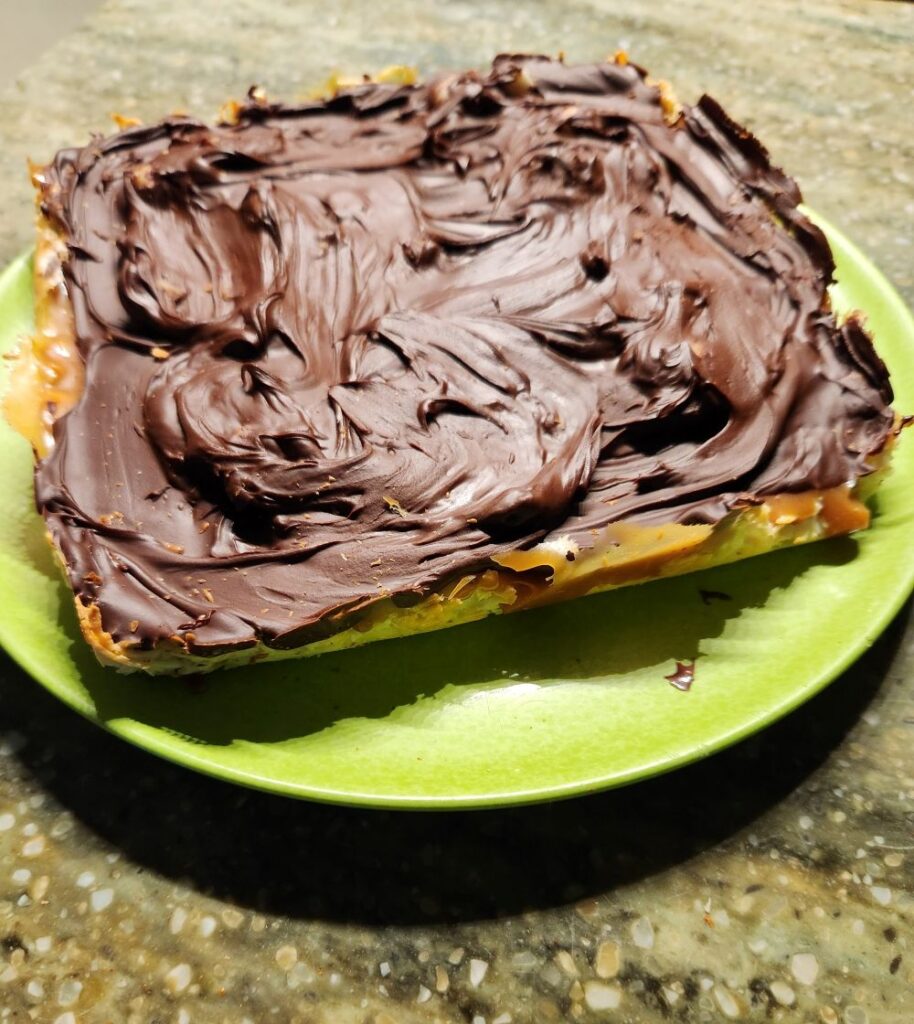
I’m not sure when it happened, but somewhere between moves, reorganizations, and the general chaos of life, my trusty set of springform pans vanished. Poof. Gone. I don’t bake cakes often, so I didn’t notice their absence until recently, when I made a Ring Ding cake and found myself wrestling with the crème filling. Getting a smooth, even layer without the sides bulging out was… let’s just say, a challenge.

That’s when the lightbulb went off. A springform pan would have kept everything neatly contained while I assembled the layers. Bottom layer in, filling added, top layer placed gently on—no sliding, no spilling, no stress. Then just pop the latch, lift the ring, and frost with ganache. Easy. Or it would have been easy, if I could have found my pan.

The Universe Sends a Hint

As if to drive the point home, two ice cream cake recipes landed in my lap right after that. Delicious? Absolutely. But both required—you guessed it—a springform pan. At this point, I had to laugh. The universe wasn’t being subtle. It was time to replace the set I’d somehow misplaced.


Shopping Smart: Amazon or Welcoming Haven?

Sure, Amazon has a huge selection, and I could have ordered one in a heartbeat. But as the owner of Welcoming Haven, I’d be foolish not to check my own shop first. And wouldn’t you know it—I do carry a beautiful set of springform pans. Shop link here


These pans are crafted with a durable nonstick coating and a secure latch design that ensures smooth release and picture‑perfect results. No sticking, no crumbling crusts, no frustration. Exactly what I needed.

Features That Make Baking Easier

  • Effortless Release: The classic springform latch opens smoothly, letting your creations lift out cleanly.
  • Nonstick Performance: A premium coating keeps your cakes intact and makes cleanup a breeze.
  • Removable Bottom: Perfect for cheesecakes, tarts, layered cakes, and anything delicate.
  • Multi‑Purpose Design: Great for deep‑dish pizza, quiches, breads, and more.
  • Durable Construction: Built from heat‑resistant materials that hold up to frequent baking.
  • Sleek Black Finish: A modern, professional look that fits beautifully in any kitchen.

Ready for the Next Baking Adventure

So yes—I’m placing my order. The next time I tackle a delicate dessert or a recipe that needs a little finesse, I’ll be ready. No more improvising, no more wrestling with fillings, and definitely no more missing pans.

If you’re in the same boat—or if your springform pans have mysteriously wandered off too—you can find the set at Welcoming Haven. Your future cakes will thank you.