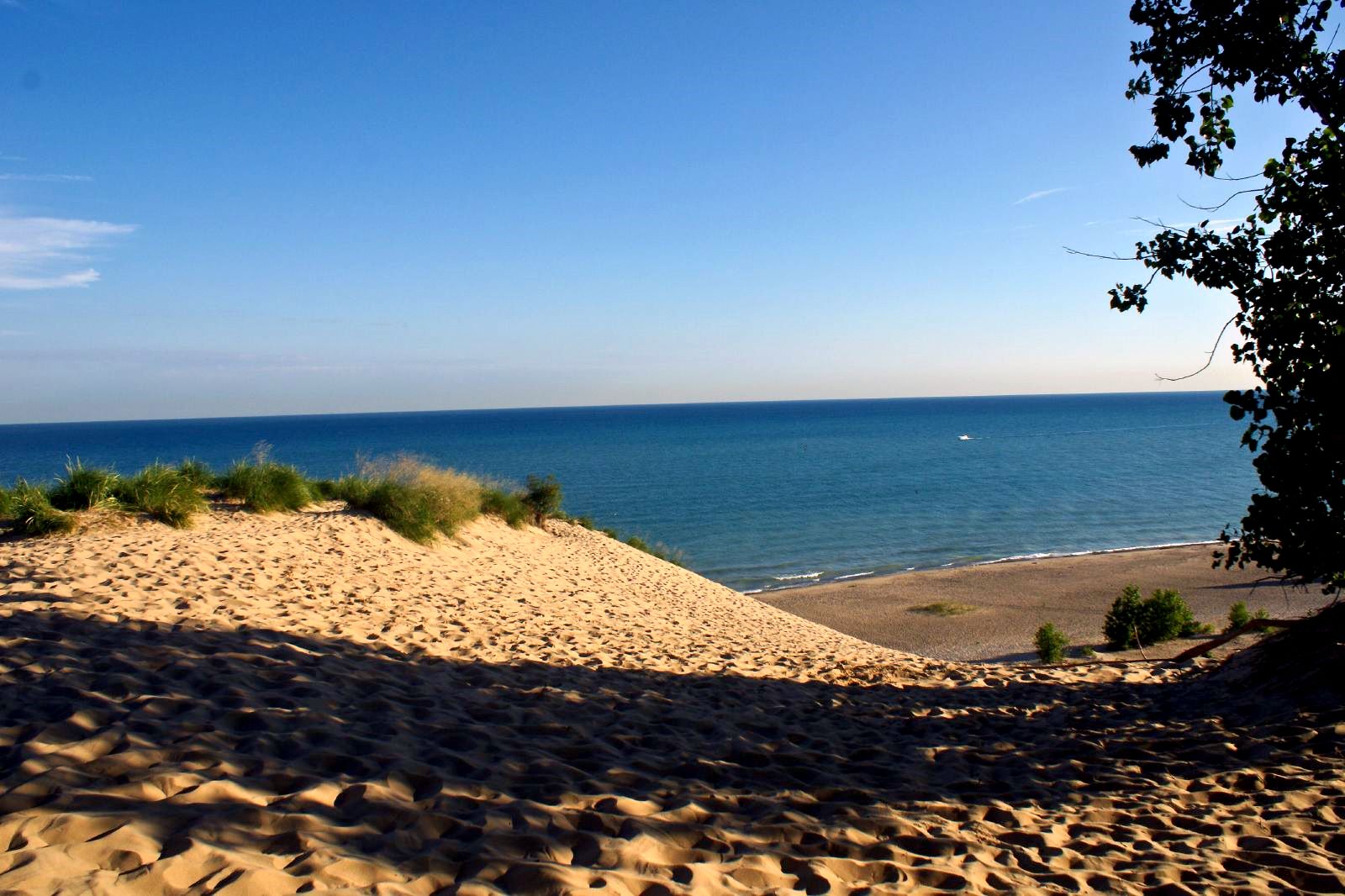
Hawaii
Considering my affection for Hawaii and my fascination with Kilauea, I think this post is long overdue. I just wish I could be spending some time there to watch Pele dance.
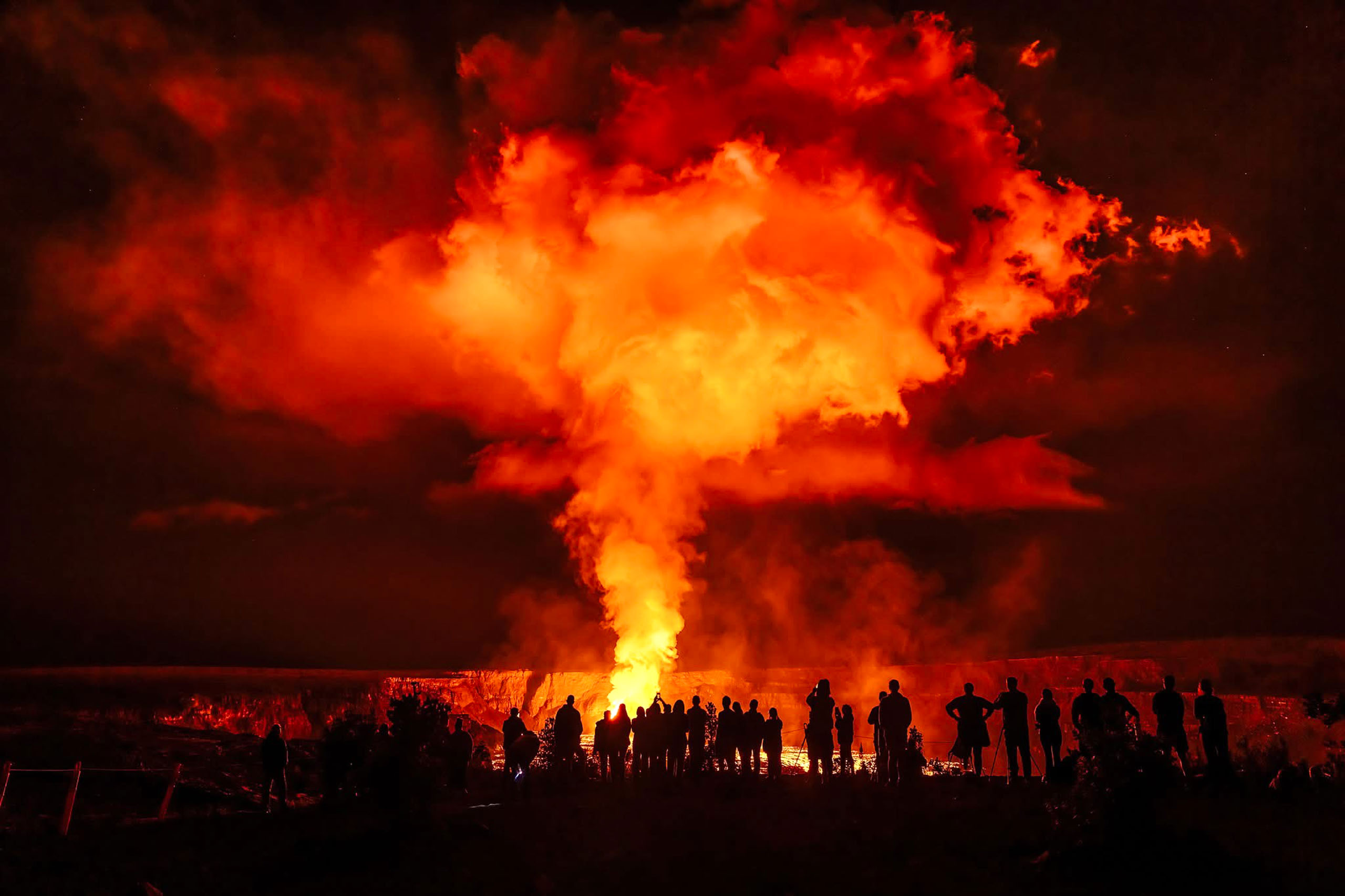
Kilauea photo from Internet
🌋 Kilauea: Hawaii’s Fiery Heartbeat
Nestled within the lush expanse of Hawaiʻi Volcanoes National Park, Kīlauea is more than just a geological marvel—it’s a living, breathing force that shapes the land, inspires awe, and commands deep respect. As one of the world’s most active volcanoes, Kilauea has been erupting intermittently since December 2024, continuing a legacy of fire that stretches back centuries.
Photo AP news
🔥 A Volcano of Many Faces
- Type: Shield volcano, known for its broad, gentle slopes and fluid lava flows.
- Age: Formed underwater roughly 280,000 years ago.
- Name Meaning: “Kilauea” translates to “spewing” or “much spreading” in Hawaiian—a fitting name for a volcano that has covered nearly 90% of its surface in lava over the past 1,000 years.
- Summit Caldera: Kaluapele, home to Halemaʻumaʻu crater, is traditionally considered the dwelling place of Pelehonuamea, the Hawaiian goddess of volcanoes.
🌋 Eruption History & Recent Activity
Kīlauea’s eruptive history is both dramatic and transformative:
- 1983–2018: A nearly continuous eruption along the East Rift Zone, centered at Puʻuʻōʻō and Kupaianaha vents.
- 2018: A powerful eruption caused the collapse of Halemaʻumaʻu crater, expanding it dramatically and altering the summit landscape.
- 2024–2025: A series of episodic eruptions have occurred within the summit caldera, including the recent Episode 29, which ended abruptly after 13 hours of lava fountaining that reached heights of up to 330 feet.
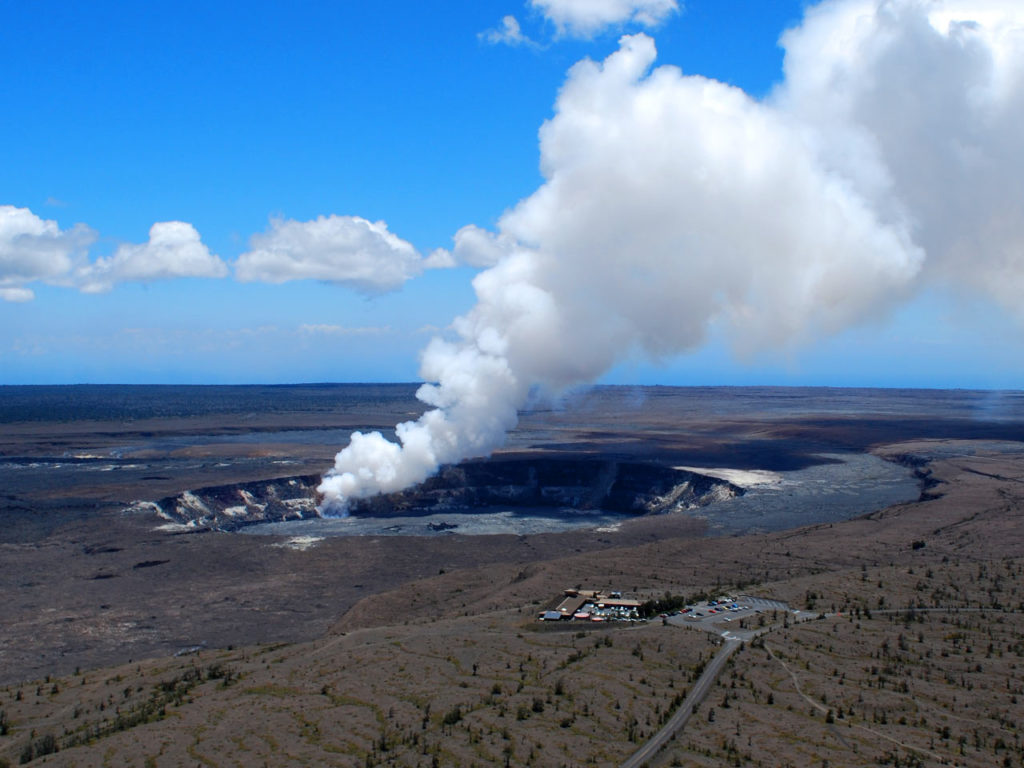
2017 Volcanic Vog
Volcano Glow 2018 Photo credit Deb Neumann
🌱 Creation and Destruction
Kīlauea’s eruptions are typically nonexplosive, producing slow-moving lava that reshapes the land without the catastrophic blasts seen in other volcanoes. Yet its power is undeniable:
- Halemaʻumaʻu Crater: Once home to a lava lake, it briefly held a water lake in 2019 before lava returned in 2020.
- Cultural Significance: Native Hawaiians view Kilauea as sacred, a place where the goddess Pele manifests her creative force.
🧪 Science Meets Spirit
The U.S. Geological Survey and Hawaiian Volcano Observatory monitor Kilauea closely, using ground deformation, seismic activity, and gas emissions to predict eruptions. But beyond the data lies a deeper truth: Kilauea is a reminder of Earth’s raw power and the delicate balance between destruction and renewal.
📸 A Glimpse into the Inferno
Here are some stunning images of Kilauea in action:
Kilauea Volcano Eruption Halemaʻumaʻu Crater Glow Lava Fountains
🌍 Visiting Kilauea
If you’re planning a trip to Hawaiʻi, Kilauea offers a rare chance to witness Earth’s inner workings. Trails, viewpoints, and educational exhibits within the national park provide safe and enriching ways to experience this volcanic wonder.


:max_bytes(150000):strip_icc():format(webp)/tal-cotopaxi-cubos-del-dia-packing-cubes-set-of-3-dylan-thompson-18-1-49e0097703fd4e8688d5954c6fd28987.jpeg "Wander Wisely: Travel Hacks for Today’s Changing Globe")