Remembering the National Day of Mourning
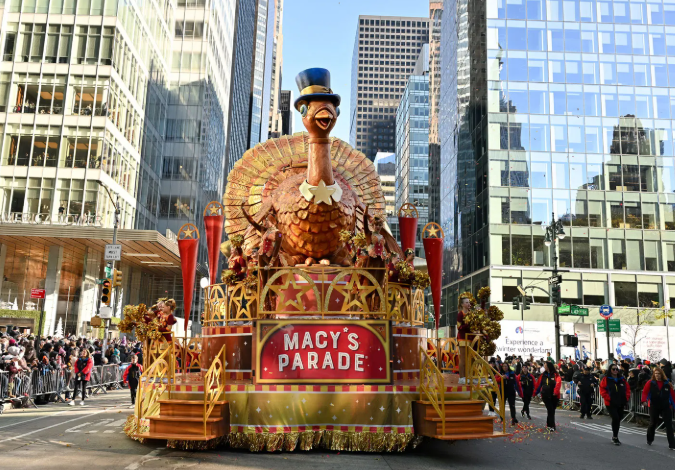
 As we gear up for a day of parades, feasting, and football, most of us focus on the traditions that make Thanksgiving special. Family gatherings, favorite recipes, and expressions of gratitude all play a part in the holiday.
What are they remembering?
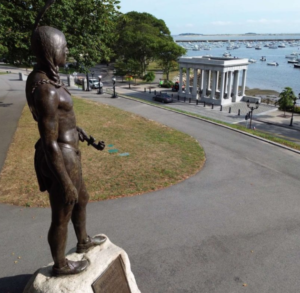
They remember the millions of Native people who lost their lives to disease, conflict, displacement, and the dramatic changes that followed European settlement in North America. The local Wampanoag population had already suffered devastating losses from disease before the Pilgrims arrived in Plymouth.
The story that followed was complex. At times, Native communities and settlers cooperated. At other times, conflict, mistrust, and broken promises shaped their relationship. The result was tremendous hardship for many Native peoples across the continent.
Today, National Day of Mourning events take place in Plymouth and in other communities around the country. Participants gather to honor Native ancestors, recognize historical injustices, and share stories that are often left out of traditional Thanksgiving discussions.
Thanksgiving remains a holiday centered on gratitude, family, and community. Learning about the National Day of Mourning does not take away from those traditions. Instead, it helps us understand a fuller picture of our shared history.
As we gather around our holiday tables this year, perhaps we can make room for both gratitude and remembrance. Sometimes the best way to honor the past is simply to acknowledge it.